
healthcare education Blog
Note: All content provided on this page is for informational purposes only
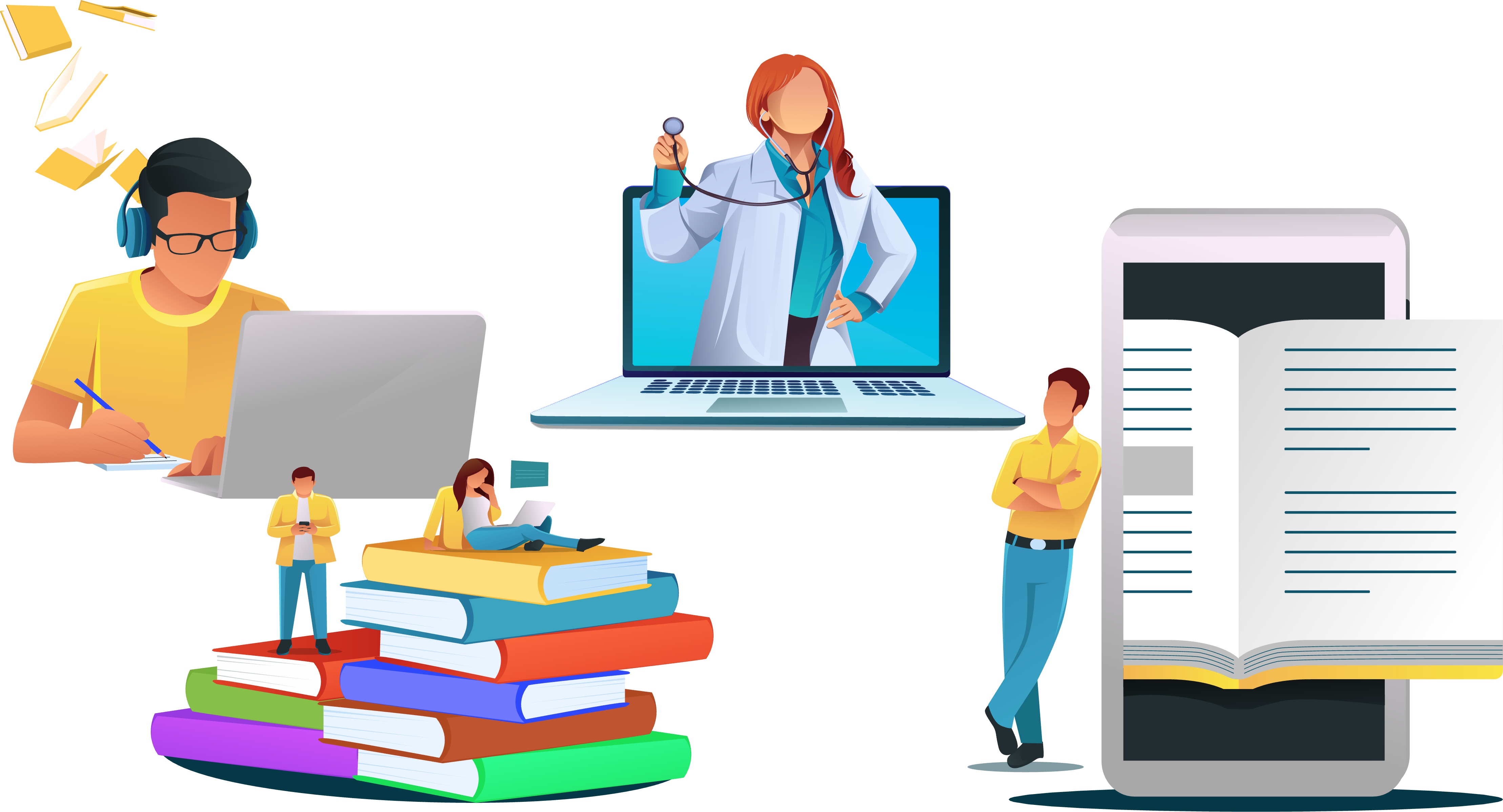
Emerging technologies promise innovative and engaging healthcare training and medical education beyond what could be envisioned in the last century. On closer examination, the tools available today are innovative combinations blending cutting edge technology with capabilities developed over the last 70 years. For example, during the pandemic we witnessed telehealth and telemedicine rapidly expand, becoming integrated with electronic medical record (EMR) software. This blended AT&T’s 1960’s video phone with the 1980’s and 1990’s Internet advances over the growing broadband infrastructure. That same backbone supported widespread remote physiological monitoring like NASA conducted during the Apollo program by leveraging Bluetooth and wireless connectivity. Innovative adaptations poised to revolutionize professional and academic healthcare training leverage those technologies, artificial intelligence, big data, and include real-time translation support and using digital twins and virtual patient simulation.
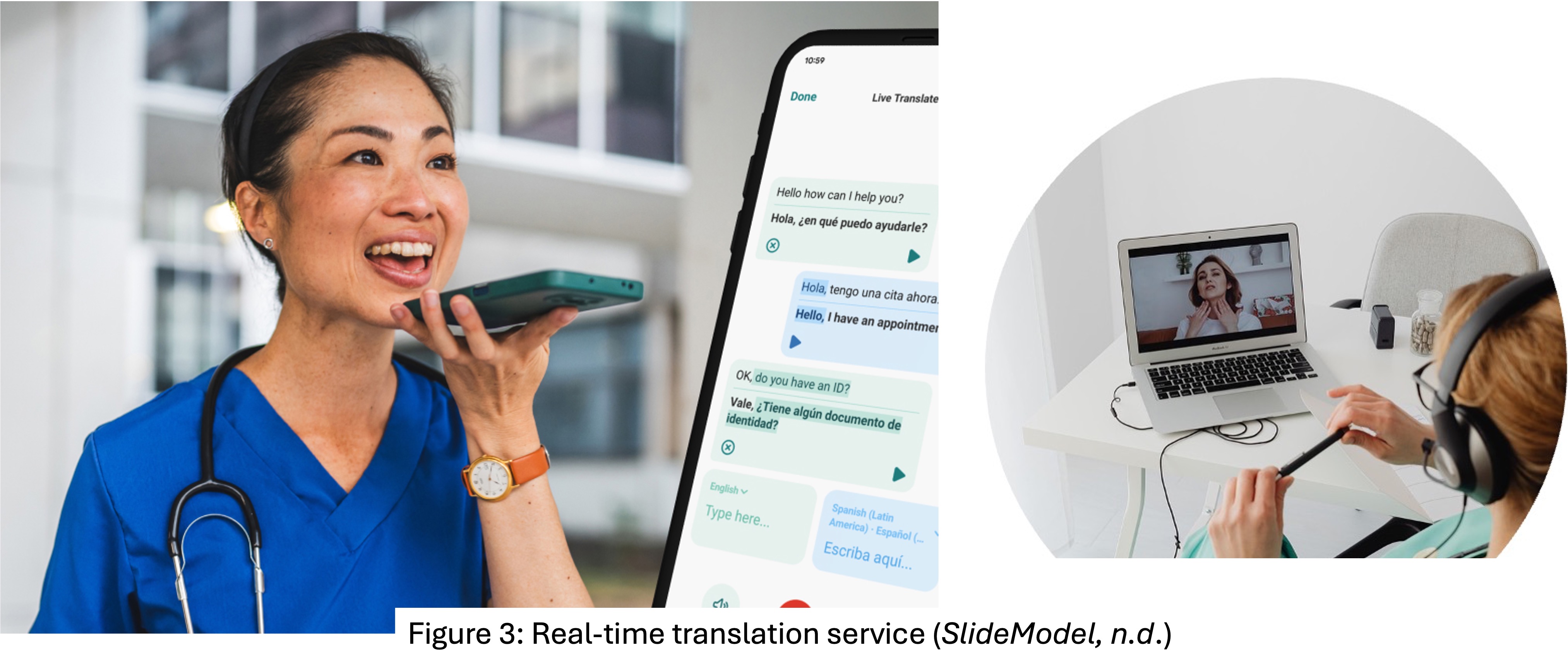
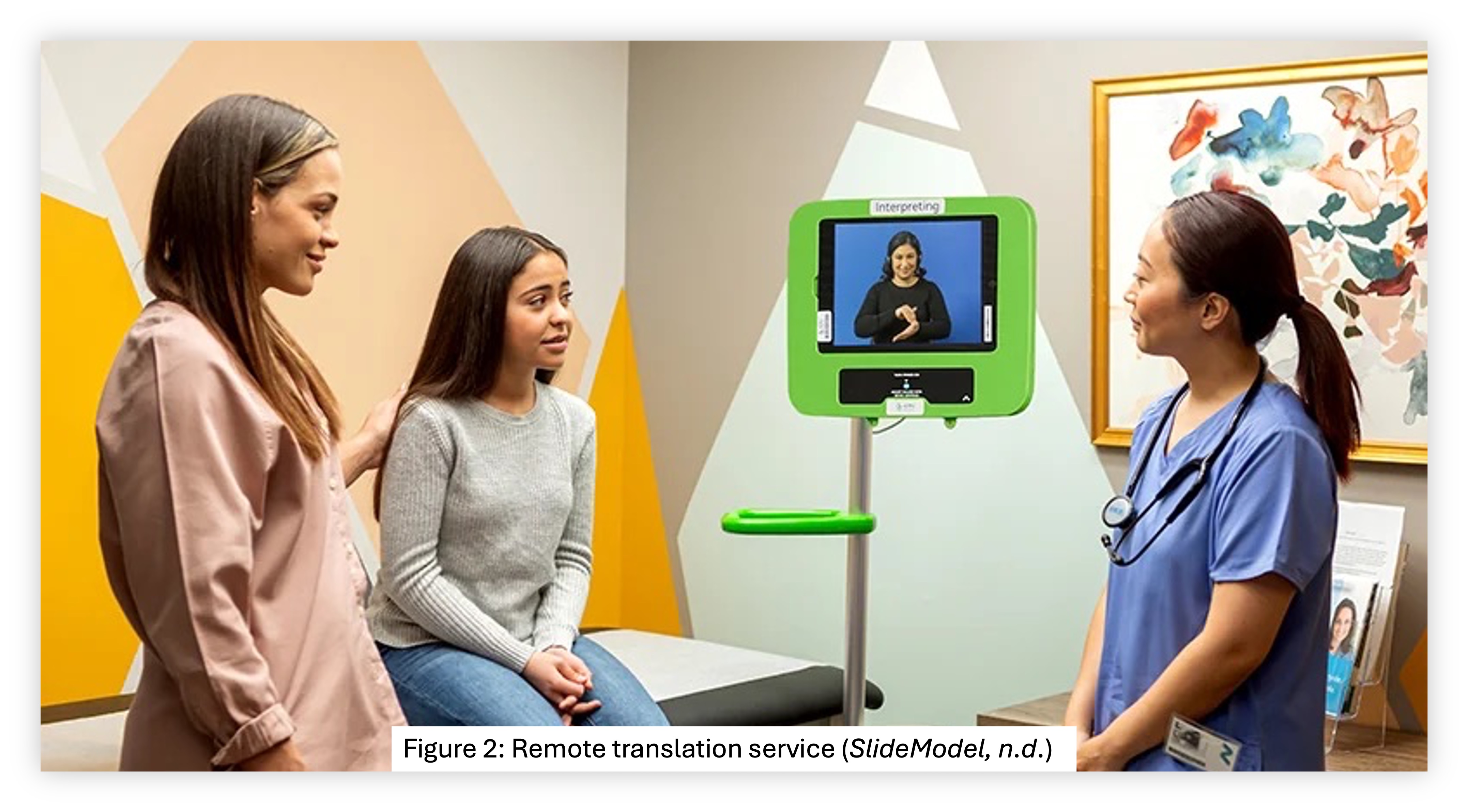 Within the 1964 Civil Rights Act is a requirement that healthcare providers and organizations provide translation services for patients needing the support. Clinics often turn to on-demand, remote vendors staffed with bilingual translators which they engage via audio or audio-video communication during the encounter. This can be slow and inefficient, especially in high-volume settings or when experiencing connectivity issues. The broad range of linguistic skill can lead to misinterpretations or misunderstandings. The risks are compounded by the increasing cultural and linguistic diversity in the country (Nguyen et al., 2024). Professional training and medical schools have ethical obligations to ensure healthcare professionals are prepared to meet language and cross-cultural considerations effectively to ensure equitable access and care (Nguyen et al., 2024).
Real-time translation capabilities reduce translation errors and improve timeliness in care delivery while fostering a more inclusive classroom or exam room. Microsoft Translator is an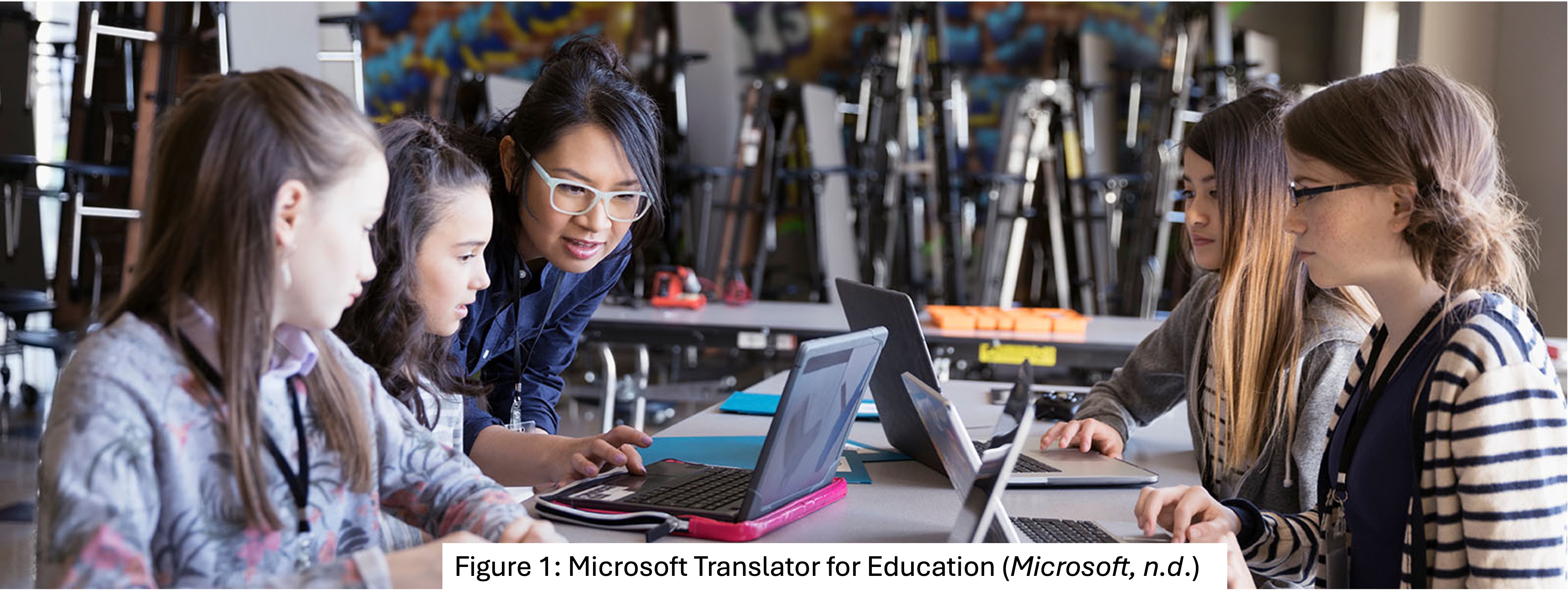 example of commercial-of-the-shelf technology able to bridge communication gaps, especially for Limited English Proficiency (LEP) learners and patients (“Microsoft Translator,” 2026). The program can provide “live captioning, cross-language understanding, and even multilingual casual conversations to help with student integration” (“Microsoft Translator,” 2026). Organic capabilities can translate and caption a lecturer’s presentation in real time, support one-on-one conversations, and facilitate collaboration in groups (“Microsoft Translator,” 2026). Because healthcare professionals’ training takes place in classroom and clinical settings, real-time translation breaks down barriers for providers, students, patients, and family members.
The digital twin concept developed around the turn of the century and has since been leveraged by various industrial leaders, such as NASA, Siemens, and General Electric, while it remains in relative infancy in healthcare, education, and research (Peshkova et al., 2023). In the realm of healthcare education and training, digital twins virtually replicate objects, such as a specific organ, entire physiological systems, or a complete patient body depending on the training goal (Randles, 2025).
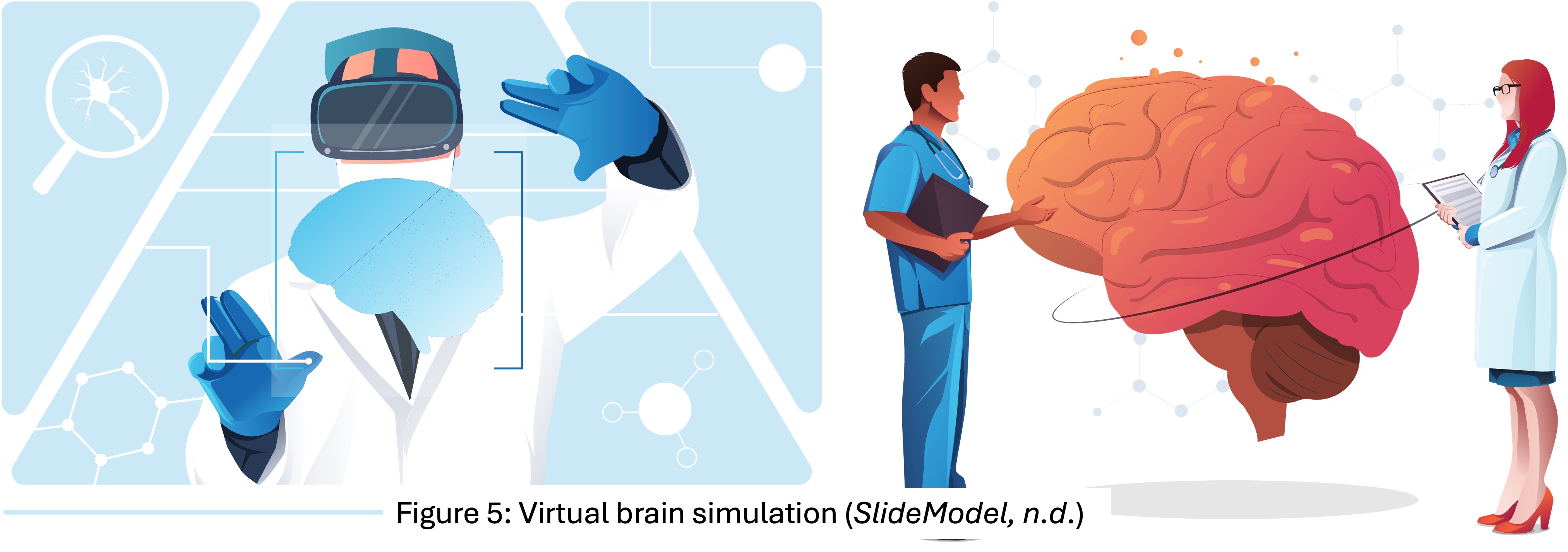
At Duke University, they combine digital twins with wearable technology for real time health monitoring to address issues early and shift the paradigm from reactive medicine too proactive (Randles, 2025). Digital twins also allow virtual simulation of procedures, which helps reduce complications during the physical procedure, and physicians can simulate long-term outcomes from interventions by rapidly simulating multiyear post-intervention progression (Randles, 2025). Digital twins can predict tumor growth and responses to chemotherapy as well as simulate multiple treatment scenarios (Handler, 2025).
AI can increase access, improve quality and safety, streamline efficient workflows, and support clinicians in their care delivery – but not replace them (Lee et al., 2026). Leveraging AI to continuously and simultaneously compare individual patient history, their latest tests, external notes, and longitudinal information against volumes of similar patients and outcomes supports improved individualized care and outcomes (Lee et al., 2026). Using digital twins fosters collaborative decision making between providers and patients, supports better patient outcomes and can lead to improved patient safety and greater innovation (Vallee, 2023). Broader adoption of digital twins with validated, standardized clinical application could significantly advance personalized care delivery as models help predict disease onset and progression as well as likely outcomes for various treatment options (Nitschke et al., 2026).
 Virtual Patient simulation, or VPS, which engages primary care providers can improve evidence-based medical decision-making related to diagnosing and treating chronic conditions, like type 2 diabetes (Larkin et al., 2025). Virtual simulations contributed to significantly higher nursing competencies scores in nursing students for primary and children’s health roles (Jeon et al., 2023). VPS scenarios have the potential to greatly enhance medical training and formal education while not fully replacing the living, breathing patient.
The virtual patient pathways observed using AI-supported digital twins and virtual patients allow healthcare entities to test significant changes prior to implementation which helps identify workflow and patient flow bottlenecks, patient access concerns, and resource allocation(Coghlan & Chalmers, 2026). However, Guraya (2024) cautions against relying too heavily on technology and simulation in clinical training at the expense of real patient-based medical education. When purposefully adopted and integrated within formal education and training, these tools will enhance learner understanding, improve skills, and foster safer and better patient outcomes. For healthcare organizations, this approach allows them to simulate and evaluate significant organization-level actions without the financial risks of trial and error approaches. The future is already an exciting time.
References:
Coghlan, M. & Chalmers, M. (2026, 7 September) How digital twins of patient journeys can help improve access to innovative treatments. EY. https://www.ey.com/en_ie/insights/life-sciences/how-digital-twins-of-patient-journeys-can-help-improve-access-to-innovative-treatments
Guraya, S. Y. (2024). Transforming simulation in healthcare to enhance interprofessional collaboration leveraging big data analytics and artificial intelligence. BMC Medical Education, 24(1), Article 941. https://doi.org/10.1186/s12909-024-05916-y
Handler, R. (2025). The Virtual You: How Medical Digital Weins are Revolutionizing Healthcare. Stanford Medicine. https://medicine.stanford.edu/news/stories/2025/06/medical-digital-twins.html
Jeon, H., Shin, H., Shon, S., & Shim, K. (2023). Virtual Simulation Education Using Multiuser Virtual Environments and Standardized Patients for Child Healthcare in the Community Setting: A Multisite Pilot Study. Clinical Simulation in Nursing, 83, Article 101441. https://doi.org/10.1016/j.ecns.2023.101441
Larkin, A., Prasanna, A., & Le, A. (2025). 741-P: Impact of Virtual Patient Simulation on Improving T2D Treatment Intensification by PCPs. Diabetes (New York, N.Y.), 74(Supplement_1), 1. https://doi.org/10.2337/db25-741-P
Lee, A., Eastburn, J., Lamb, J., & VanLare, J. (2026). The AI-powered future of care. McKinsey & Company. https://www.mckinsey.com/industries/healthcare/our-insights/the-ai-powered-future-of-care
Microsoft Translator for Education. (2026). Microsoft. https://www.microsoft.com/en-us/translator/education/
Nguyen, Q., Flora, J., Basaviah, P., Bryant, M., Hosamani, P., Westphal, J., Kugler, J., Hom, J., Chi, J., Parker, J., & DiGiammarino, A. (2024). Interpreter and limited-English proficiency patient training helps develop medical and physician assistant students’ cross-cultural communication skills. BMC Medical Education, 24(1), Article 185. https://doi.org/10.1186/s12909-024-05173-z
Nitschke, A.-K., Brandl, C., Egersdörfer, F., Görtz, M., Hohenfellner, M., & Weidemüller, M. (2026). Design for a digital twin in clinical patient care. NPJ Health Systems, 3(1), Article 11. https://doi.org/10.1038/s44401-025-00060-1
Peshkova, M., Yumasheva, V., Rudenko, E., Kretova, N., Timashev, P., & Demura, T. (2023). Digital twin concept: Healthcare, education, research. Journal of Pathology Informatics, 14, Article 100313. https://doi.org/10.1016/j.jpi.2023.100313
Randles, A. (2025). Digital Twins in Healthcare: Revolutionizing Patient Care at Duke. Center for Computational and Digital Health Innovation. https://comphealth.duke.edu/digital-twins-in-healthcare-revolutionizing-patient-care-at-duke/
Vallée, A. (2023). Digital twin for healthcare systems. Frontiers in Digital Health, 5, 1253050. https://doi.org/10.3389/fdgth.2023.1253050