
HH Blog
Note: All content provided on this page is for informational purposes only
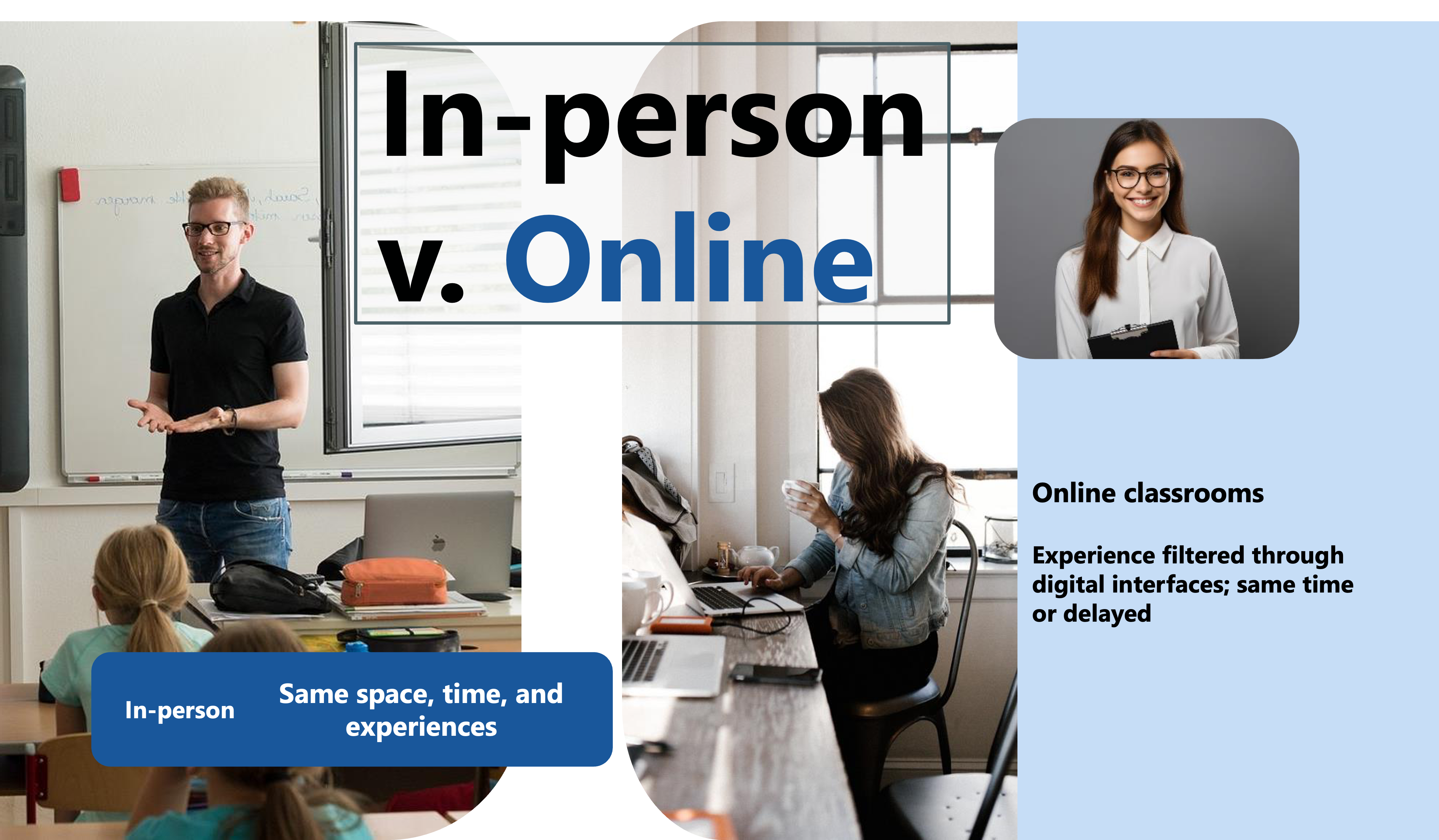
In a brick and mortar classroom, teachers and students interact in the same space with a common experience of that lesson. Online learning erases those physical characteristics and filters the interaction through one or more digital tools usually via the Internet. If those digital tools are good enough, they can approximate the same interaction, communication, and peer feedback one would experience in a face-to-face setting (Katlen et al., 2022). In traditional, in-person delivery, teachers have time-honored and battle-tested classroom management tools to help maintain good order and discipline which then creates an environment conducive for learning. Virtual learning environments also require classroom management tools to foster effective learning, they just get applied with a twist.
Distractions, inappropriate communication, poor attendance, turning off the webcam and muting, and interruptions are common misbehaviors in online settings which teachers can mitigate by ensuring students are aware of behavior standards and expectations, taking regular attendance, increasing student engagement, and engaging families to support the class (Akkaş Baysal & Ocak, 2021). Establishing clear classroom procedures that outline expectations and support institutional policies (more on this later) creates a foundation from which educators can take actions to prevent or correct inappropriate behaviors. It also allows educators to provide positive reinforcement, apply rules consistently, and reduce likely distractions (Mittiga et al., 2024).
In the online learning environment, concepts of classroom management educators should consider include time management, effective communication, clear policies, student motivation and engagement. Common to most characteristics of learning, everything is just a little different online. For example, time management impacts each student uniquely. In a traditional setting, class has a start time, a stop time, and a regular schedule for every activity and assignment. Some students look at the self-paced nature of online learning and feel overwhelmed by the number of distractions and the wealth of information at their fingertips while others feel the environment is more efficient and gives them the flexibility to meet family or job demands (Ishtiaq et al., 2024). To promote the good and minimize the bad, educators can apply simple time management characteristics such as a predictable schedule of assignment due dates, chunking content into manageable amounts, and following a regular schedule of content delivery throughout the course, all of which will reduce stress and cognitive overload (Katlen et al., 2022; Saeedi & Panahi, 2025). Time management is one of the primary factors impacting student motivation (Ishtiaq et al., 2024).
 A primary tool available to educators that helps with time management and most other classroom management approaches is an effective learning management system (LMS). Well-designed LMS support time management with integrated components for content access, file retrieval, scheduling, communicating, providing feedback, and collaboration. Integrated applications give students the opportunity to interact with the course material on their own terms and timeline, offer collaborative environments for students to engage with each other or work on shared projects, and provide mechanisms to save and submit assignments (Lynch, 2017). By having clear procedures for use, a user-friendly interface, hosting important information for the classroom community, such as announcements, and being the conduit for personalized feedback, LMS applications can help students feel informed and connected (Akram & Li, 2024). The LMS also provides the backbone for effective communication of policies and expectations.
Establishing clear classroom expectations help students understand participation and behavior requirements as well as assignment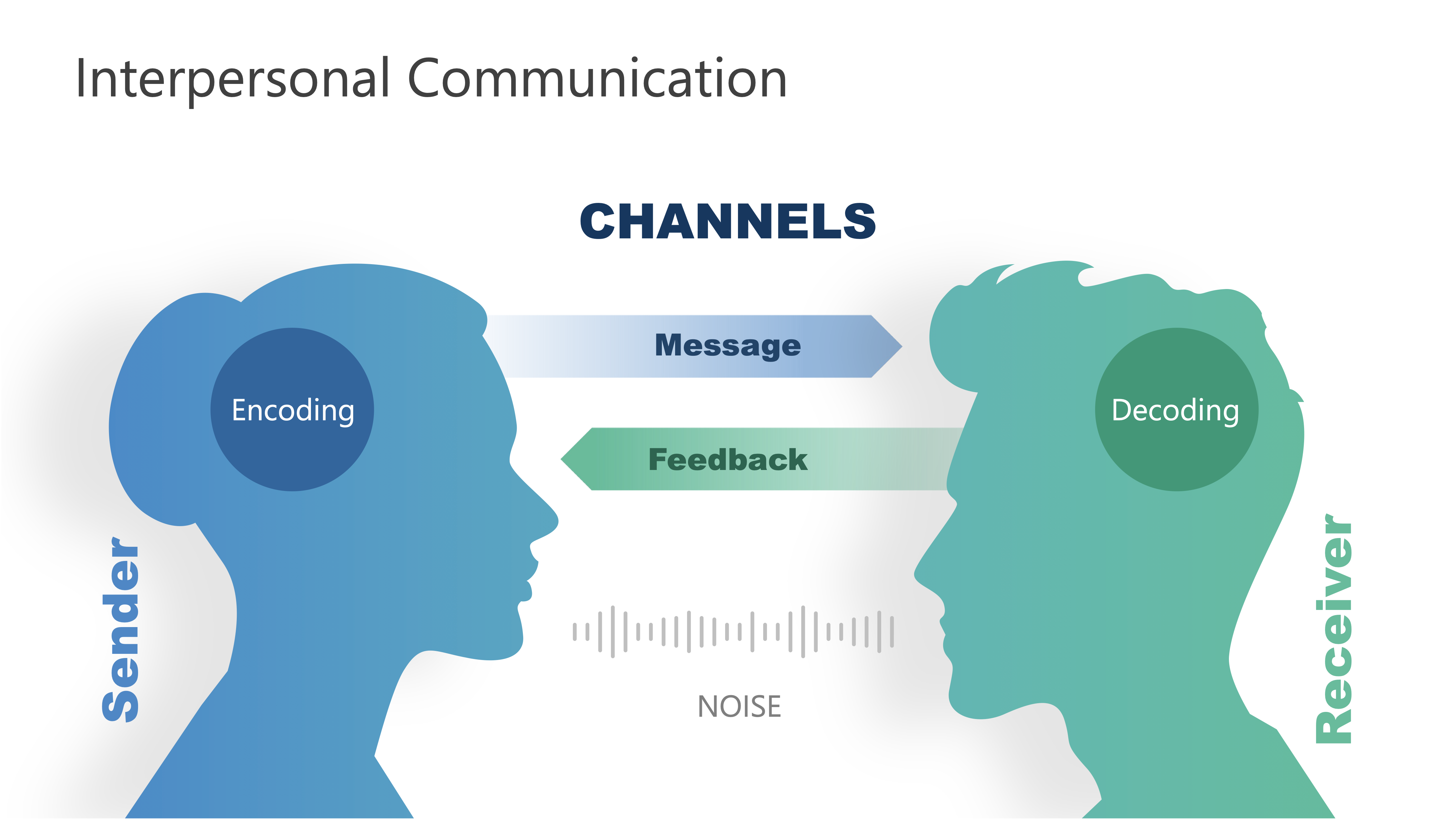 instructions (Baziukė et al., 2025). Educators in online and hybrid classrooms rely on standards, policies, and procedures to ensure a safe learning environment. These require focused application, presence, and a positive culture that promotes healthy behavioral norms. Setting clear expectations for respectful and constructive feedback during collaborative activities promotes a positive environment. Discipline for unacceptable behavior in online settings is complicated; however, when behavior threatens safe and positive learning it needs to be addressed in accordance with policies and guidelines (Akkaş Baysal & Ocak, 2021). Actions and approaches which foster collaboration, effective communication, and community building create safe learning environments and promote academic achievement.
Careful consideration of these aspects should be incorporated during course planning, design, and delivery for both online and face-to-face instructional settings. While each environment has its own challenges for some students, proper classroom management approaches can provide an online learning experience on par with in-person (Ishtiaq et al., 2024). Intentional planning and design must ensure digital tools, policies, procedures, and classroom management strategies align to support student learning, effective communication, and a safe learning environment.
References
Akkaş Baysal, E., & Ocak, G. (2021). Teachers’ Views on Student Misbehaviors During Online Courses. Problems of Education in the 21st Century, 79(3), 343–359. https://doi.org/10.33225/pec/21.79.343
Akram, H., & Li, S. (2024). Understanding the Role of Teacher-Student Relationships in Students’ Online Learning Engagement: Mediating Role of Academic Motivation. Perceptual and Motor Skills, 131(4), 1415–1438. https://doi.org/10.1177/00315125241248709
Baziukė, D., Rupšienė, I., Kesylė, K., & Norvilienė, A. (2025). How e-Learning Platforms Are Addressing Project-Based Learning: An Assessment of Digital Learning Tools in Primary Education. Applied Sciences, 15(23), 12422. https://doi.org/10.3390/app152312422
Ishtiaq, M., Shahid, S. H., Khan, M. A., Aysha, S., & Sultan, A. (2024). Face-to-face Vs. Online Learning: Differences and Challenges in Communication. FWU Journal of Social Sciences, 18(1), 16–30. https://doi.org/10.51709/19951272/Spring2024/2
Katlen, J. N., Manlapaz, M. R., & Hoffman, A. (2022). Considerations for Appropriateness of Virtual Learning in the Postpandemic Environment. The Journal of Nursing Education, 61(9), 503–509. https://doi.org/10.3928/01484834-20220705-04
Lynch, M. (2017). 5 must have classroom management apps , tools, and resources. Retrieved from https://www.thetechedvocate.org/5-must-classroom-management-apps-tools-resources/
Mittiga, S. R., Freeman, N. C., Leif, E. S., Furlonger, B. E., & Pattison, E. (2024). Behavior Change Potential of Classroom Behavior Management Mobile Applications: A Systematic Review. Education & Treatment of Children, 47(1), 83–104. https://doi.org/10.1007/s43494-024-00122-3
Saeedi, M., & Panahi, M. (2025). Strategies for enhancing the quality of virtual education: perspectives of medical sciences faculty and students - a qualitative study. BMC Medical Education, 25(1), Article 1105. https://doi.org/10.1186/s12909-025-07713-7